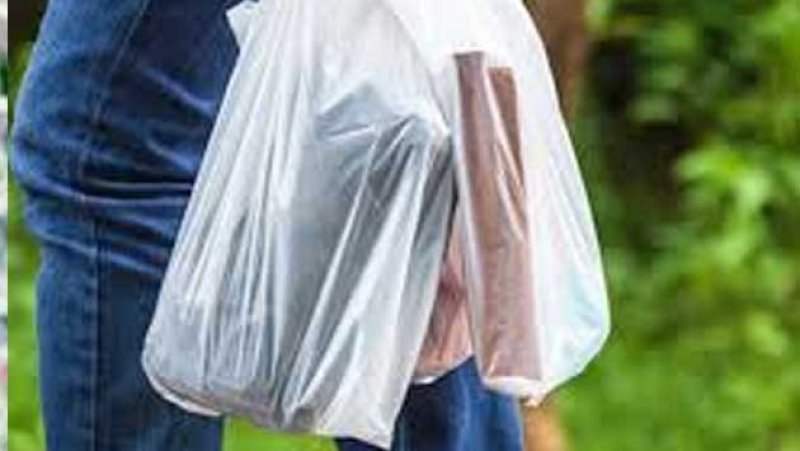
The use of plastic shopping bags has dropped by 50 percent following the government’s ban on their free distribution, Environment Deputy Minister Anton Jayakodi said.
He made these remarks at a meeting held at the Central Environment Authority (CEA) to discuss measures to establish a zero-plastic environment during the Sri Pada pilgrimage season.
The Deputy Minister said more than 100 tonnes of plastic waste are left behind in the Sri Pada area annually, particularly during the pilgrimage season, which begins in December and continues for about six months. During this period, large volumes of biodegradable and non-biodegradable waste discarded by pilgrims cause severe environmental damage.
He further noted that Cabinet approval has been granted to publish the draft National Environment (Amended) Act in the government gazette, after which it will be presented to Parliament for approval. The proposed amendments include several new measures to be implemented from 2025 to reduce the use of polythene and plastic in the Sri Pada area.
Under the proposed plans, the Sri Pada area is expected to be declared a zero-plastic zone. The Deputy Minister commended ongoing public awareness programmes that encourage pilgrims to avoid bringing plastic items during their pilgrimage.
Accordingly, the sale and carrying of several plastic items will be completely banned in the area. These include plastic food wrappers, high-density polyethylene squeeze bags, sachet packets, single-use food containers made of expanded polystyrene, drinking straws, and single-use plates, cups, spoons, forks and knives, which are already prohibited under existing laws.
Pilgrims will also be barred from carrying single-use plastic water and beverage bottles of less than one litre. The disposal of food, beverages, medicines or any other items with polythene or plastic packaging will be strictly prohibited in environmentally sensitive zones.
Shop owners operating in these areas will be responsible for collecting and properly disposing of plastic waste generated from their goods. Plastic waste produced during the construction and maintenance of shops must be removed from the highly sensitive Sri Pada zone, with final disposal handled through relevant local authorities.
Measures to prevent the pollution of water sources and waterways will also be strengthened. Officials at the meeting discussed the possibility of imposing fines on pilgrims who bring plastic items into the Sri Pada area during the pilgrimage season.
Meanwhile, the Consumer Affairs Authority (CAA) announced that the free distribution of shopping bags has been banned with effect from November 1, 2025. Under an extraordinary gazette issued on October 1, vendors are required to charge customers for shopping bags and clearly display the prices on bills and at their business premises.