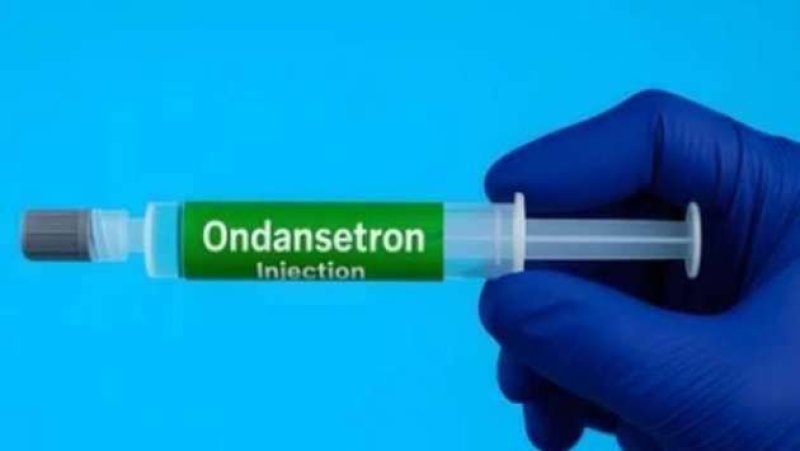
Fresh concerns have been raised over Sri Lanka’s medicine regulation system amid the controversy surrounding Ondansetron injections that were later found to contain a bacterial toxin, with trade union leaders warning that excessive reliance on foreign laboratory reports could undermine public trust in the health sector.
Chairman of the Doctors' Trade Union Alliance for Medical and Civil Rights, Dr. Chamal Sanjeewa, said the injections had been cleared for import based on laboratory tests conducted overseas, which at the time indicated no bacterial toxicity in the original samples.
Addressing the media, he noted that the importing company had confirmed the drug was brought into Sri Lanka on four occasions this year, with each consignment cleared following tests carried out in India prior to shipment. According to him, the injections were manufactured during three different periods and imported in several batches, each consisting of 67,600 vials.
Dr. Sanjeewa explained that the company had informed the Drug Regulatory Authority that the products had passed testing under ten quality parameters, including bacterial toxicity, and that all results met required standards at the time of approval.
However, he warned that revalidating the same medicine as toxin-free based solely on foreign test reports, after concerns had already emerged locally, would severely damage the credibility of Sri Lanka’s health system. He argued that accountability must extend beyond manufacturers to include politicians and officials responsible for regulatory oversight, stating that weak administration has eroded public confidence.
Highlighting systemic issues, Dr. Sanjeewa said Sri Lanka lacks a fully accredited national quality control laboratory for medicines. He pointed out that the existing Quality Control Laboratory of the Drug Regulatory Authority is not accredited by the Sri Lanka Accreditation Body, limiting its international recognition.
Establishing a modern, internationally accredited laboratory would cost an estimated Rs. 5 billion, which he described as a modest investment compared to other state expenditures. Without such a facility, he cautioned, the country would remain vulnerable to substandard medicines, patient safety risks, and financial losses, as authorities would struggle to hold pharmaceutical suppliers accountable.
He stressed that strengthening domestic testing capacity is essential to restore trust and ensure that public health decisions are based on independent, credible evidence rather than sole dependence on foreign reports.