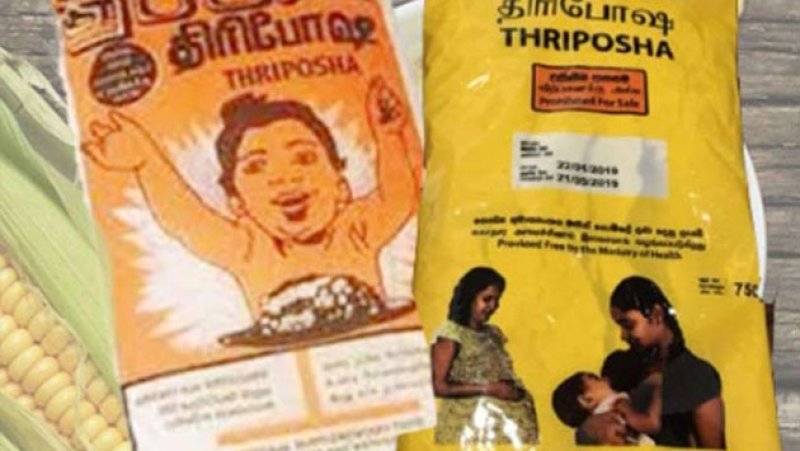
A severe shortage of Thriposha has forced health authorities to limit distribution only to the most critical cases, raising fresh concerns about growing malnutrition among mothers and children, the Federation of Medical and Civil Rights Doctors’ Trade Unions said yesterday.
Its Chairman, Specialist Dr. Chamal Sanjeewa, said the shortage has left many maternity and children’s hospitals unable to provide the supplement to all eligible beneficiaries. At present, Thriposha is issued only to severely malnourished children above three years, mothers with iron deficiency, and underweight pregnant women.
He said children under the age of three — the group most dependent on the programme — have not received Thriposha for several years. Although government officials repeatedly claimed the distribution programme would resume, no concrete steps have been taken, he said.
Dr. Sanjeewa also expressed concern about the recent decision to shift the Thriposha Company from the Ministry of Health to the Ministry of Trade, following a special presidential announcement. The Health Professionals Association has alleged that this move may be linked to plans to privatise or sell the company.
He urged the government to explain the reasons behind the transfer, warning that any disruption or policy uncertainty surrounding Thriposha production could worsen nutrition problems among vulnerable communities.
“Thousands of mothers and children depend on Thriposha. The government must act urgently and transparently,” he said.