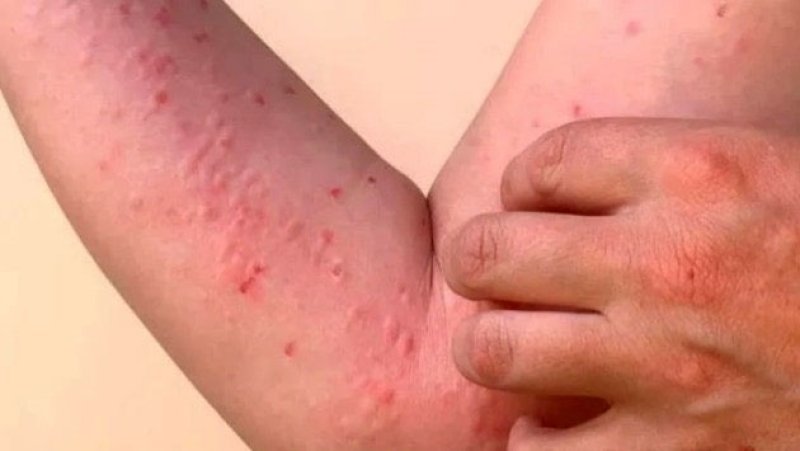
Health authorities have raised concerns over a surge in Chikungunya cases in the Matara area, highlighting the role of the day-biting Aedes albopictus mosquito in spreading the virus.
The Health Entomology Officers Association reported that both health workers and community members have been affected in recent months. Officials stressed that controlling mosquito breeding sites is key to preventing further infections. Common breeding grounds include rain gutters, water tanks, water collection containers, and discarded items such as plastic, polythene, glass, and tin cans that collect water.
Residents are urged to remove stagnant water around homes and workplaces and adopt preventive measures to reduce the risk of infection. Anyone experiencing fever lasting more than a day is advised to seek medical attention promptly.
Authorities highlighted that public vigilance and community participation are essential to curb the spread of Chikungunya in the region.