Sri Lanka has taken its first major steps toward building a stronger and fairer care system to better support families, workers, and communities, as the country faces a rapidly ageing population and growing demand for quality care services.
With one in four Sri Lankans projected to be over 60 years of age by 2040, the Government—together with the International Labour Organization (ILO)—has launched the development of a National Roadmap and Action Plan on Care, following Cabinet approval of the National Social Protection Strategy in September 2025. The initiative was formally introduced on October 29, coinciding with the International Day of Care and Support.
The national plan aims to address both sides of the care system—those who provide care and those who receive it—ensuring decent work conditions for care workers while guaranteeing accessible, reliable, and affordable services for all citizens.
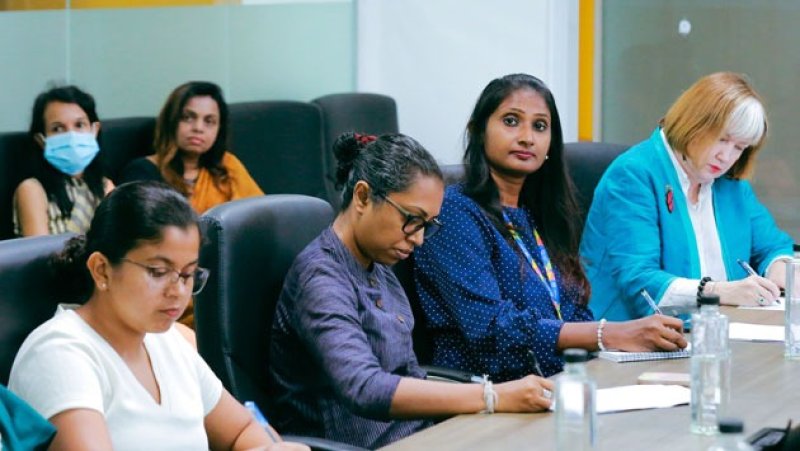
The work is being coordinated by the Inter-Ministerial Social Care Working Group, co-chaired by the Ministry of Women and Child Affairs, the Ministry of Rural Development, Social Security and Community Empowerment, and the Ministry of Labour. The group also includes representatives from key ministries such as Finance, Education, Health, Foreign Employment, and Public Administration.
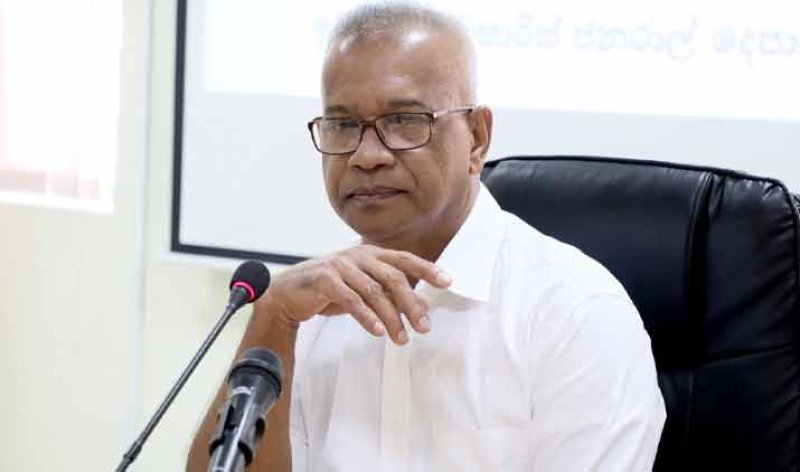
Deputy Minister of Labour Mahinda Jayasinghe emphasized the Government’s commitment to promoting decent work within the care sector, while Labour Ministry Secretary S. M. Piyatissa reaffirmed efforts to establish robust legal and policy frameworks to strengthen care infrastructure and enhance the recognition of care work.
Secretary to the Ministry of Women and Child Affairs Tharangani Wickramasinghe highlighted the importance of recognizing both paid and unpaid care work, noting that as the population ages, the burden of care will increasingly fall on women. She underscored the need for affordable and high-quality care services that reach all communities.
ILO Country Director for Sri Lanka and the Maldives, Joni Simpson, described the care economy as a “cornerstone of social well-being and a driver of economic growth and gender equality.” She said the ILO would support Sri Lanka through its 5R Framework for Decent Care Work — Recognize, Reduce, Redistribute, Reward, and Represent — to ensure that care work is properly valued and supported through inclusive, sustainable policies.
The Working Group will now proceed with an evidence-based and consultative approach, drawing on input from government ministries, social partners, care providers, and the public. The Care Roadmap and National Action Plan are expected to be finalized and launched in 2026, marking a key milestone in Sri Lanka’s effort to build a more inclusive and equitable care economy.