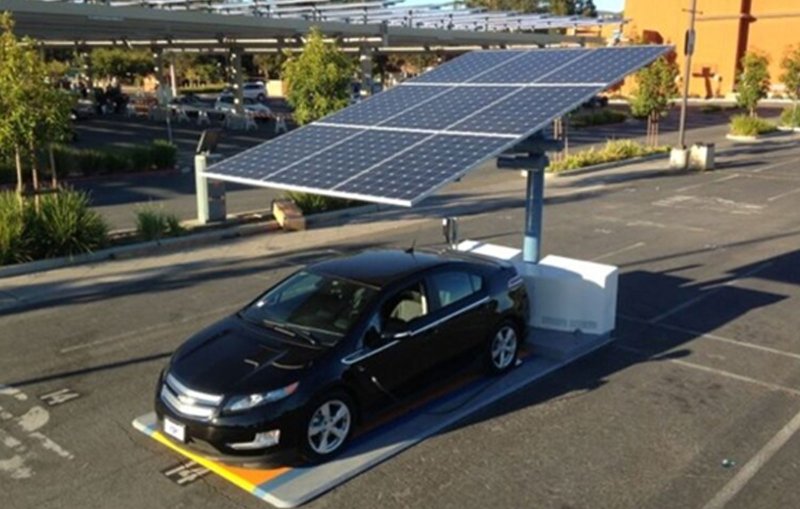
The Ceylon Electricity Board (CEB) is gearing up to tackle the growing challenge of balancing Sri Lanka’s power demand as electric vehicle (EV) usage rises, by introducing a nationwide network of solar-powered fast-charging stations designed to ease the strain on the national grid.
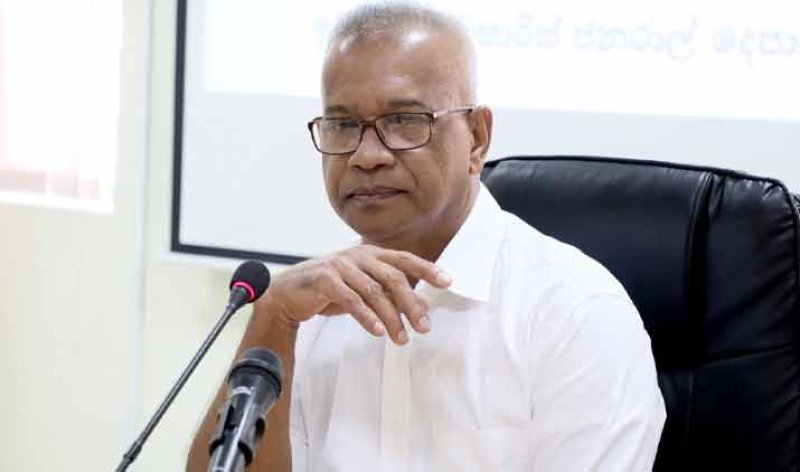
CEB Deputy General Manager (Business & Operational Strategy) Noel Priyantha said the project will make use of excess solar energy generated during the day, redirecting it to the transport sector through strategically placed EV charging stations.
“Consumers have embraced electric vehicles faster than anticipated, often without dedicated charging systems or proper financial mechanisms,” Priyantha noted. “As a result, most EVs are charged at night — the most energy-constrained period for the grid — creating challenges in maintaining system stability.”
To address this imbalance, the CEB plans to encourage daytime charging by offering incentive tariffs, allowing users to power their vehicles using surplus solar energy. The new tariff structure is currently being finalized, and the government has directed the CEB to launch the service within two months.
Priyantha said the daytime supply of renewable power remains underutilized, whereas nighttime consumption peaks. “We are also exploring the installation of battery storage systems to capture solar energy during the day for use at night,” he added.
The initiative is part of a broader government strategy to integrate renewable energy into the transport sector, reduce dependency on fossil fuels, and support sustainable urban mobility.
By promoting solar-based charging and smarter energy use, the CEB aims to ensure that Sri Lanka’s transition to electric mobility strengthens — rather than strains — the national power grid.