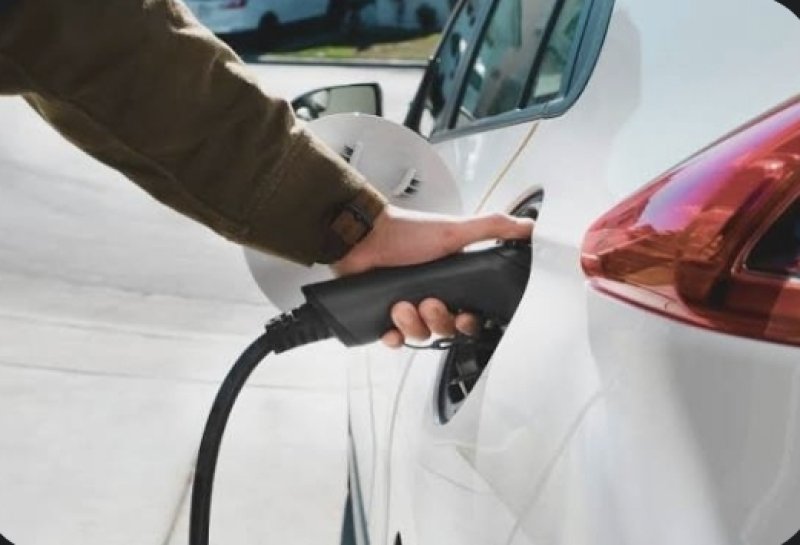
The government has begun drafting regulations to govern the establishment and operation of electric vehicle (EV) charging stations, marking a key step toward strengthening Sri Lanka’s EV infrastructure.
Sri Lanka Sustainable Energy Authority (SLSEA) Director General H.K. Wickramasinghe said the EV charging industry currently operates without regulation, prompting the need for a formal framework.
“The regulations will define how charging stations should operate and ensure the protection of consumer rights,” Wickramasinghe said, adding that authorities are still deciding whether to implement strict or flexible guidelines.
He also acknowledged that the absence of regulations has made it difficult to determine the exact number of EV charging stations nationwide. However, based on data from online platforms such as ChargeNet, there are an estimated 200 stations currently in operation.
Meanwhile, Solar Industry Association (SIA) President Kushan Jayasuriya highlighted in August that one of the major gaps in Sri Lanka’s EV infrastructure is the absence of a specific pricing structure for charging stations.
He noted that these stations are not categorized under any particular electricity tariff system, operating instead under a uniform, levelized tariff. “This approach needs to change,” Jayasuriya said. “A Time of Use (TOU) tariff that offers lower rates during off-peak hours or renewable energy surplus periods would encourage more efficient and sustainable EV charging practices.”
Energy experts say that such regulatory and pricing reforms are crucial for accelerating the country’s transition to electric mobility.