With less than two months remaining until 2026, serious concerns have been raised over Sri Lanka’s continuing drug shortage despite repeated government assurances that the issue would be fully resolved by the new year.
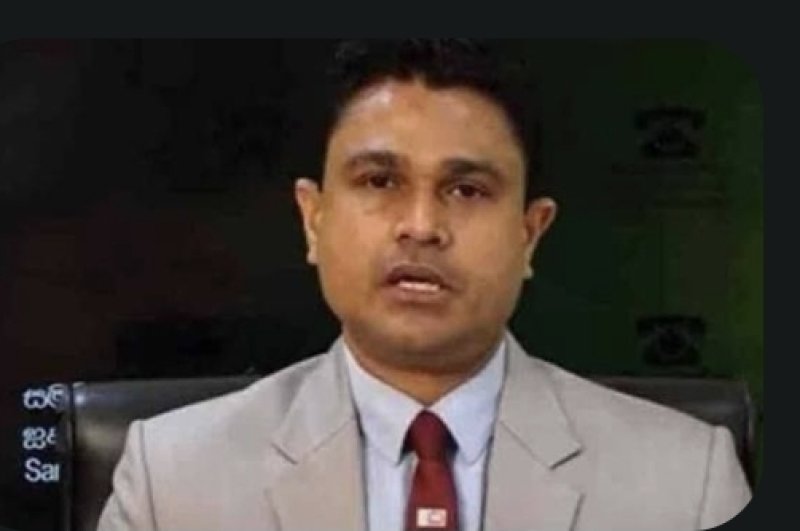
According to Specialist Dr. Chamal Sanjeewa, Chairman of the Medical and Civil Rights Doctors’ Trade Union Alliance, there is currently an oversupply of nearly a hundred essential and non-essential drug varieties in several major hospitals, while many other crucial medicines and surgical supplies remain in short supply.
He said this imbalance clearly reflects political and administrative failures within the Ministry of Health and its affiliated institutions. Dr. Sanjeewa emphasized that the crisis has persisted for nearly a year and accused senior health officials—dating back to the tenure of former Health Minister Keheliya Rambukwella—of mismanagement. He added that the current Health Minister and the State Pharmaceuticals Corporation (SPC) must also share responsibility for the ongoing shortage.
Despite the government’s repeated pledges and the presentation of several cabinet papers to address the issue, none of the proposed measures have yielded results, he said.
Among the medicines and surgical materials in short supply are IV Noradrenaline, IV Cefotaxime, IV Amikacin, Clarithromycin, Levofloxacin, Adenosine, Sodium Nitroprusside, Verapamil, Isoprenaline, Protamine Sulphate, Promethazine, GTN, Salbutamol oral solution, as well as prolene, polypropylene, nylon, and knee implants used for wound suturing.
Dr. Sanjeewa warned that these shortages have severely disrupted patient care services across the country, while stocks at the Medical Supplies Division and major hospital pharmacies continue to decline. He cautioned that allowing local purchases of medicines could result in significant financial losses to the state.
He also criticized the Health Ministry Secretary’s ongoing approval of regional drug purchases, calling it a “futile attempt to mask the inefficiency” of the current system.
According to Dr. Sanjeewa, the monopoly and poor management of the SPC and the National Drug Regulatory Authority have directly contributed to the crisis. Instead of engaging with suppliers and manufacturers to resolve the issues, these institutions continue to act unilaterally, he said.
The Alliance of Doctors and Civil Rights Trade Unions further expressed suspicion that certain procurement activities might be violating national procurement laws under the guise of cabinet approvals. Dr. Sanjeewa stated that the union is preparing to initiate legal action soon regarding several such cases.