In a year marked by conflict, five nations continue to rank among the world's most peaceful. Residents reveal how policies and culture shape daily life and create a sense of calm.
In 2025, peace can feel like a rare commodity. Global wars are escalating, border security is tightening, and trade tensions continue to mount. According to the 2025 Global Peace Index (GPI), the number of state-based conflicts has reached its highest level since World War Two, with three more breaking out this year alone. Many countries are responding with increased militarisation.
Yet despite those grim statistics, some nations continue to prioritise peace. The GPI, produced by the Institute for Economics & Peace, tracks 23 indicators, from external conflicts and military expenditure to safety and security measures like terrorism and homicide. The countries ranked at the top of the index have been remarkably consistent for nearly two decades, showing the stability that peaceful policies can bring over the long haul.
We spoke to residents in some of the world's most peaceful counties to learn about how those policies shape day-to-day life – and what gives them a unique sense of security and calm.
Iceland
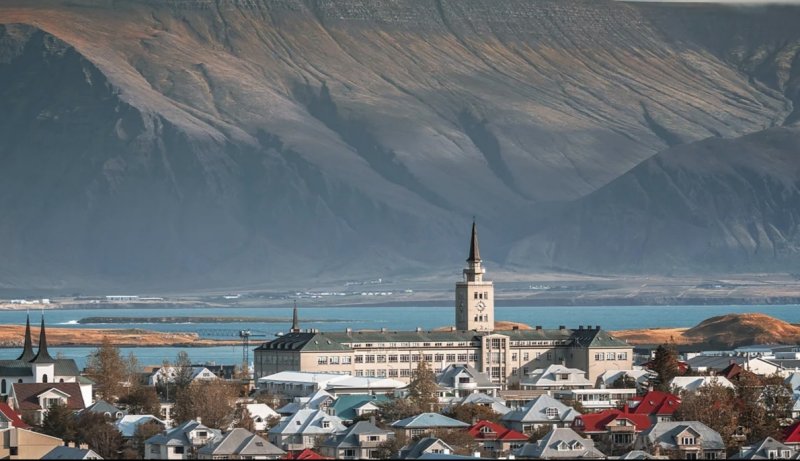
Ranked number one since 2008, Iceland remains the world's most peaceful nation, leading across all three domains: safety and security, ongoing conflict and militarisation. It even recorded a 2% improvement this year, widening the gap from the second-place country on the list.
For locals, that sense of safety is baked into everyday life. "While harsh weather conditions, especially in winter, may not always create a sense of safety, community does," said Inga Rós Antoníusdóttir, who was born in Iceland and is general manager for Intrepid Travel North Europe. "You can walk alone at night mostly without worry; you will see babies sleeping peacefully in prams outside cafes and shops while their parents enjoy a meal or [are] running errands; and the local police don't carry guns."
Inga credits the country's world-leading gender equality policies with allowing women to feel secure. "Equal opportunities and robust social systems create a fairer, safer society for everyone," she said.
She recommends visitors experience this inner calm by joining locals in everyday rituals. "Go for a swim in a geothermal pool and chat with strangers in the hot tub; hike a mountain, whether it's an afternoon climbing Mt Esja right outside of Reykjavik or a multi-day hike in the highlands," she said. "The real Iceland is found in its thriving music and art scene, in nature away from the main sites and in all kinds of weather."
Ireland
Though marked by conflict throughout the late 20th Century, today's Ireland continues to put peace at the forefront. It received especially high scores for reducing its militarisation year-over-year and ranked as one of the countries with the fewest ongoing domestic and international conflicts. It also placed within the top 10 for societal safety and security, with low perceptions of crime and violence.
New Zealand
This year New Zealand moved up two spots to number three, thanks to improvements in the safety and security domain as well as fewer demonstrations and terrorism-related impacts.
As an island nation in the Pacific, New Zealand's geography gives it natural protection from external conflict, but its internal policies also afford residents a sense of peace. "New Zealand's gun laws are among the strictest in the world, which absolutely contributes to the sense of safety," said lifelong Kiwi Mischa Mannix-Opie, director of client experience at relocation firm Greener Pastures. She notes that it's a place where kids walk to school, people leave their doors unlocked and motorists will stop to help if a vehicle is broken down on the side of the road. "There's a general trust in others and in the systems around you, which creates a real sense of community in daily life."
Austria
Austria slipped one place this year to fourth but still ranked high across all domains. Like Ireland, Austria adopts a constitutionally mandated policy of neutrality, preventing it from joining military alliances like Nato. This enables the country to focus its attention and resources internally.
Top 10 countries in the 2025 Global Peace Index
1. Iceland
2. Ireland
3. New Zealand
4. Austria
5. Switzerland
6. Singapore
7. Portugal
8. Denmark
9. Slovenia
10. Finland
"Austria's decades-long policy of neutrality means the nation invests in its people instead of conflicts," said Armin Pfurtscheller, owner of SPA-Hotel Jagdhof. "A strong social safety net, world-class healthcare and excellent education foster stability and trust." He lives in Neustift in the Stubai Valley, where he says people wander along the Ruetz River at midnight, homes are left unlocked and bicycles sit unchained outside cafes. "Safe isn't just a statistic, it's the way life feels."