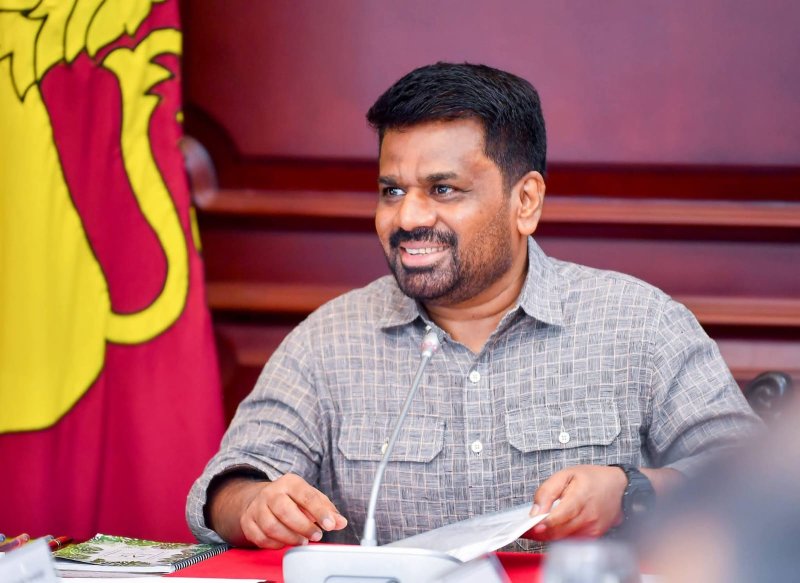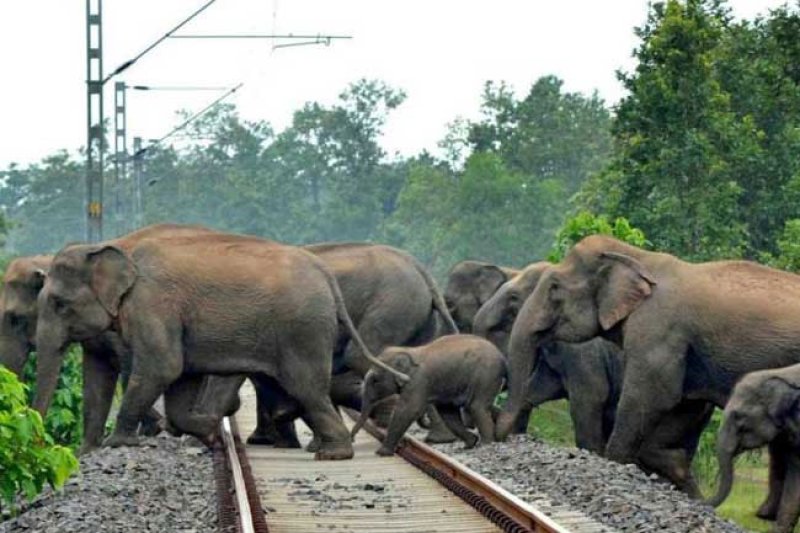
A high-level discussion chaired by Civil Aviation and Highways Minister Bimal Ratnayake and Environment Minister Dr. Dammika Patabendi was held in Parliament yesterday (21) to review practical solutions introduced by a special committee tasked with preventing elephant-train collisions.
Among the measures, wildlife officers and railway staff will coordinate to monitor high-risk zones during nighttime train operations, while drivers will receive special training to respond effectively in elephant-crossing areas. Environmental groups will also be encouraged to volunteer in the initiative.
Work has already begun near the 141st milepost between Gal Oya Junction and Hingurakgoda to fill sleeper gaps along the track to make crossings safer. Meanwhile, in collaboration with the University of Peradeniya’s Faculty of Engineering, AI-powered devices are being tested in trains to detect elephant movements.
In addition, the Arthur C. Clarke Institute will conduct a two-month pilot project installing thermal cameras on trains running through elephant-prone tracks. Authorities have also decided to enhance track visibility, lay additional ballast, establish year-round maintenance systems, and ensure monthly progress reports from the Railway Department.
The meeting was attended by Deputy Minister Anton Jayakody, officials from the Department of Railways, Department of Wildlife Conservation, Forest Department, Geological Survey and Mines Bureau, Ministry of Science & Technology, and the Arthur C. Clarke Institute.